Systemic, family & organisational constellations · Ireland
What are constellations?
A constellation is a way of seeing a situation by laying it out in the room. People, or simple markers on the floor, stand in for the parts of a system, such as you, a parent, money, a job or a team. Standing in those places, people often sense things they couldn't have known: where the tension is, who has been left out, or what is being carried for someone else. It lets you see your situation from the outside, and often, for the first time, it makes sense.
- Also calledSystemic, family or organisational constellations
- Helps withTransitions, family patterns, grief, money, relationships, teams
- FormatsRetreats, group workshops, one-to-one, online
- WithNorma O'Kelly, systemic coach, Dublin
Is this why you're here?
When you can't think your way out of it
Most people don't come looking for a constellation. They come because something isn't shifting, however hard they try. These are the questions I hear most.
I've had therapy and I still feel stuck. What now?
Feeling stuck after therapy often means the knot isn't only yours. Part of it may belong to your family system or your workplace. Therapy does vital work with your own history and feelings. But we also carry loyalties, losses and patterns from the generations before us, usually without knowing it. A constellation lays that wider system out in the room, so you can see what you've been carrying for someone else, and feel it shift in your body, not just understand it in your head. It works well alongside therapy, or in the gaps between blocks of sessions.
I'm unhappy in my corporate job. Should I leave?
Maybe, and maybe not yet. The right answer is the next step that fits your whole life, not only your job. Sometimes that means leaving. Sometimes it means staying for now, being clever about your pension and resourcing yourself, or something in between. I spent 22 years in corporate and took five years to leave, so I know how loud this question gets. A constellation can show what's really keeping you there, whether that's money, loyalty to a family story about work, or fear of letting people down, so you decide from clarity, not exhaustion.
I can't decide whether to leave my job. How do I decide?
When you can't decide, it's usually because your head, heart and gut are pulling in different directions. A list of pros and cons only talks to your head. In a structural constellation, you place markers on the floor for the options, such as staying, leaving and what you're afraid of, then stand in each one. Your body often knows before your mind does. Many people leave a session with a clear next step, even if it isn't the whole plan.
Why do I keep repeating the same patterns with love or money?
Repeating patterns are often inherited. We stay loyal to our family's story, even when it hurts us. A parent who never had enough, a grandmother who lost a child, a family where love meant sacrifice: these stories travel. Constellations make the pattern visible, so you can honour where it came from and choose something different for yourself.
What looks like an individual problem is almost always a systemic one.
Book a free connection call to talk through what's going on for you.
Why it's useful
Why do constellations help when other things haven't?
Many of the people I work with have already done the coaching, the therapy and the journalling, and still feel the same knot. That's often because the problem isn't only theirs. We all belong to systems, our families and our workplaces, and we carry their stories, loyalties and unfinished business, usually without knowing it.
A constellation brings that hidden layer into view. Instead of thinking your way around it, you see it, and you feel it in your body. Something that has been stuck for years can shift in a single afternoon, not because anything is forced, but because you finally see what's been going on.
Constellations work through the body as much as the mind. Small somatic movements, like where you stand, which way you turn, or what you feel in your chest when someone steps closer, can reach places that words can't always meet. That's often where the real shift happens.
What people bring to a constellation
- A transition they can't quite make: leaving a job, ending a relationship, a big birthday
- Patterns that repeat across generations: money, relationships, overwork, illness
- Grief, including losses that were never spoken about in the family
- Feeling like they don't belong, at home or at work
- Teams stuck in conflict, after a merger, restructure or change of leader
Family, organisational and structural
What's the difference between family and organisational constellations?
They use the same method, but they look at different systems.
Family constellations
Look at your family system: parents, grandparents, siblings, children, and those who were lost, excluded or forgotten.
- Who it's for
- Individuals, often in a group or on retreat
- Helps with
- Inherited patterns around love, money, belonging and grief
- Format
- Group members stand in as representatives
Organisational constellations
Look at a workplace system: a team, a leader, a department, customers, even the purpose of the business.
- Who it's for
- Leaders, leadership teams and whole teams
- Helps with
- Conflict, turnover, a stalled strategy, a merger that never settled
- Format
- Simple standing exercises everyone can take part in
Structural constellations
Use markers or objects on the floor or a table to map a single question, such as a decision or a goal.
- Who it's for
- Anyone, one-to-one or in a group
- Helps with
- Decisions, next steps, seeing your options clearly
- Format
- Private and gentle. You don't need to share your story
How I work with teams
With teams, I keep it simple and practical. I use a few short exercises that everyone can take part in, standing and moving around the room, so people see how the team really works without anyone being put on the spot. It's never too deep. I only bring what the team can handle, and the focus stays on how the system works, not on anyone's personal story.
History and origins
Where do constellations come from?
Family constellations were developed by the German psychotherapist Bert Hellinger (1925–2019) in the 1980s and 1990s. He drew on family therapy, including Virginia Satir's family sculpting, on psychodrama, and on his years living and working among the Zulu people in South Africa, where he saw how deeply people are bound to their ancestors and community.
From the 1990s, practitioners took the method into organisations and coaching. In Germany, Matthias Varga von Kibéd and Insa Sparrer developed structural constellations. In the UK, John Whittington brought constellations into leadership and systemic coaching, and his book Systemic Coaching and Constellations is now a standard text. Today the work is used in coaching, leadership development, family work and retreats across Europe and beyond.
Modern practice has also moved on from some of Hellinger's original style. Today it is more collaborative and less directive, and puts the person's own experience first.
The three "orders" behind the work
Belonging
Everyone in a system has a right to belong, including those who were excluded or forgotten.
Order
Those who came first have a place, and things settle when each person takes their own place.
Balance
Systems need a healthy balance of giving and receiving.
When one of these is out of balance, people often feel it as being stuck.
Is there research on constellations?
Research is still growing. A randomised controlled trial at Heidelberg University Hospital, led by Christina Hunger and colleagues, found improvements in psychological wellbeing after family constellation seminars, with effects still present at 8 and 12 months.
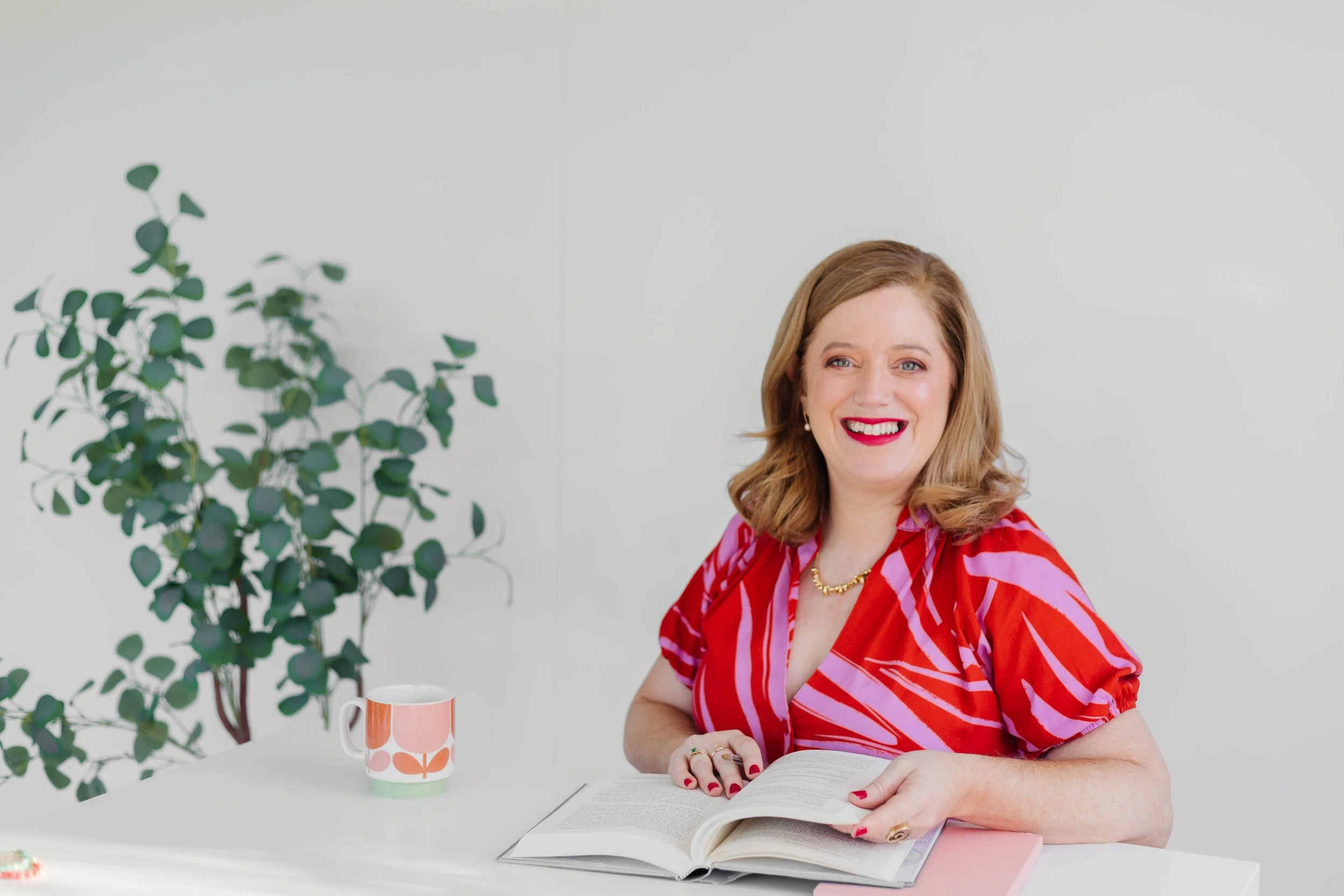
Your guide
How I came to this work
My first constellation came after my mother died, when I was deciding whether to go for IVF on my own. Seeing my situation laid out in the room showed me something I couldn't see on my own: that I was resourced, and not as alone as I felt. In the end I didn't go through with IVF fully on my own, but that constellation carried me through a very hard time, and it's why I trust this work so deeply.
I spent 22 years in big tech and global brands, including eight years at Salesforce, and retrained as a coach in 2017. It took me five years, and the support of systemic coaching, to see that I could leave corporate, honour my family and build my own life. Constellations helped me see which patterns were mine and which I'd been carrying for others, around grief, love and money.
I began training with John Whittington in 2022, after my hysterectomy, and completed my full practitioner training with him in the UK in 2024. In 2025 and 2026 I've deepened my family constellations training with Bill Manle in the USA and Lynn Stoney in the UK.
I'm the bridge between work and family. You could call me a kind of career coach, though not your classic career coach: I work with the whole picture, the job, the family you came from and the patterns you carry between them. I'm also a team coach and facilitator, bringing organisational constellations to leaders and teams.
What looks like an individual problem is almost always a systemic one.
- Systemic coach
- Practitioner, John Whittington
- ICF member
- Advanced Diploma in Life & Business Coaching
- Master Breathwork teacher
- Emerging Speaker of the Year Ireland 2026
Questions people ask
Constellations FAQ
Can I do constellations alongside therapy?
Yes. Constellations aren't therapy, but they can sit well alongside it, while you're still in therapy or in the gaps between blocks of sessions. Many people find a constellation brings up something they then take back to their therapist to work through. If it helps, I'm happy to speak with your therapist, with your permission, so we're working together. If you're in crisis, please speak to your GP or a therapist first.
Do I have to share my story?
No. You share only what you choose. In a structural constellation you can work with markers privately, and nobody needs to know the details.
What is a representative?
Someone in the group who stands in for a person or part of your system. Representatives often sense feelings or movements that belong to the system, and many find they get insight into their own life just by standing in.
Do my family need to be there?
No. Your family never needs to attend. The group, or markers, stand in for them.
Can constellations be done one-to-one or online?
Yes. One-to-one sessions use markers or objects, in person or online. Group workshops and retreats use representatives.
What does a constellation feel like?
Often surprising. People describe it as hard to explain but very clear: a sense of seeing something they always half-knew. It can bring up emotion, so we take it gently and at your pace.
How is it different from coaching?
Coaching mostly works with what you think and do. Constellations look at the system around you, your family and your work, and the hidden loyalties that keep you stuck. I use both together.
Do you work with teams as well as individuals?
Yes. I facilitate organisational constellations with leadership teams and groups, using simple, effective exercises that everyone can take part in. It's practical, not heavy. I only bring what the team is ready for.
Is it spiritual or religious?
It isn't religious. Some people experience it as spiritual, others as practical and down to earth. Both are welcome.
Where can I experience a constellation in Ireland?
I run constellation retreats and workshops in Dublin and Kildare, one-to-one sessions, and organisational constellations for teams. See what's coming up below.

Experience it for yourself
Ways to work with me
Sunday 22 November 2026 · Dún Laoghaire
Sound Constellation
An afternoon of gong sound and constellations, co-facilitated with Natasha Friess.
Find out moreSunday 6 December 2026 · Soearth, Kill
Love, Money & Loneliness
A winter retreat with meditation, breathwork and constellations, and an optional afternoon of family constellations.
Find out moreFor leaders and teams
Organisational constellations
Simple, practical constellation work for leadership teams and groups in change.
Team coachingNot sure where to start? Book a free connection call or email hello@normaokelly.com
Further reading
- John Whittington, Systemic Coaching and Constellations (Kogan Page)
- Bert Hellinger, with Gunthard Weber and Hunter Beaumont, Love's Hidden Symmetry
- Mark Wolynn, It Didn't Start with You
- Hunger, C. et al., "Mid- and long-term effects of family constellation seminars in a general population sample: 8- and 12-month follow-up", Family Process